Introduction: Grocery Distribution Leaves No Room for Temperature Errors
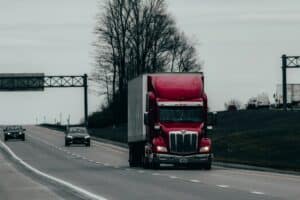
Grocery distribution is one of the most demanding environments in temperature-controlled logistics.
Unlike many other freight categories, grocery shipments operate under tight delivery windows, strict cold chain expectations, and limited tolerance for delays. A small issue in transit can quickly become a rejected load, empty shelf space, or spoiled product.
This is where reefer LTL shipping becomes both valuable and challenging.
Grocery distributors often rely on refrigerated LTL networks to move smaller replenishment shipments efficiently across regional markets. But because these shipments move through shared networks, execution and handling discipline matter significantly more.
In grocery logistics, consistency is everything.
How Is Reefer LTL Used in Grocery Distribution?
Reefer LTL plays a major role in grocery distribution because not every shipment requires a full refrigerated truckload.
Grocery distributors commonly use reefer LTL for:
- Regional store replenishment
- Frozen and chilled mixed shipments
- Partial pallet restocking
- Deliveries to smaller retail locations
- Multi-stop distribution networks
This allows distributors to move inventory more efficiently without waiting to fill an entire trailer.
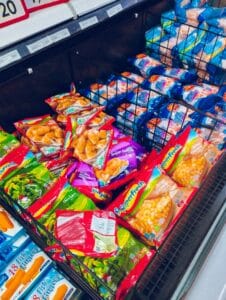
For example, a grocery supplier may ship frozen products to multiple regional stores within the same network rather than dedicating a full truckload to each location. Reefer LTL makes that possible while maintaining temperature-controlled transit.
The challenge is maintaining cold chain integrity across multiple transfers, appointments, and handling points.
Why Grocery Freight Is More Sensitive Than Standard Reefer Freight
Grocery freight operates under tighter constraints than many other refrigerated shipments.
Tight Receiving Windows
Retail grocery receivers often work within highly structured appointment schedules. Missing a delivery window can delay unloading for hours or even force rescheduling.
We explored how these scheduling issues create larger operational problems in Why Missed Appointments Are the Biggest Risk in LTL Freight.
Shelf-Life Pressure
Many grocery products have short shelf-life windows. Delays reduce available selling time, which directly impacts inventory value.
Product Rejection Risk
Retailers and grocery distribution centers may reject freight if:
- Product temperature is out of range
- Packaging appears compromised
- Delivery timing falls outside compliance requirements
Even small temperature fluctuations can create major downstream problems.
Frozen Freight Sensitivity
Frozen grocery freight requires tighter handling discipline because repeated exposure during transfers can slowly degrade product quality over time.
We discussed these risks further in The Biggest Mistakes Shippers Make With Frozen Freight, where dwell time, airflow, and preparation all affect shipment integrity.
In grocery logistics, minor operational mistakes become expensive quickly.
The Biggest Cold Chain Risks in Grocery Reefer LTL
Grocery distribution depends on consistency. The challenge with reefer LTL is that small disruptions can compound quickly across a cold chain network.
Some of the biggest risks include:
Terminal Dwell Time
Every terminal transfer introduces exposure risk.
Freight may be unloaded, staged, sorted, and reloaded multiple times before delivery. Even short delays during these transitions can increase temperature variation over time.
We broke this process down in What Happens During a Reefer LTL Terminal Transfer, where repeated handling cycles create cumulative exposure.
Temperature Fluctuations
Grocery freight often includes products with tight temperature tolerances. Even minor deviations can affect shelf life or trigger rejection at delivery.
These fluctuations are not always caused by equipment failure. More often, they come from:
- Extended door openings
- Congested docks
- Delayed reloads
- Improper staging procedures
We explored how these issues develop in How Temperature Excursions Happen in Reefer LTL, where operational delays gradually increase exposure risk.
Dock Congestion and Seasonal Pressure
Peak grocery periods place additional stress on reefer networks.
Holiday shipping windows, seasonal demand spikes, and labor shortages can all increase:
- Dwell time
- Dock congestion
- Appointment delays
- Reload bottlenecks
This is especially common during year-end retail surges, where frozen and refrigerated freight volumes rise significantly.
In grocery logistics, timing pressure magnifies every operational weakness.
Why Appointment Accuracy Matters So Much in Grocery Logistics
Appointment precision is critical in grocery distribution.
Many grocery warehouses and retail distribution centers operate on tightly scheduled receiving windows. Missing those windows can create cascading problems throughout the supply chain.
A delayed reefer shipment may:
- Wait hours for the next available dock
- Miss store replenishment timelines
- Increase dwell exposure during staging
- Trigger rescheduling fees or rejected deliveries
Unlike general freight, grocery receivers often cannot absorb unpredictable arrival times because labor and dock capacity are planned tightly around scheduled appointments.
We covered how these scheduling failures impact freight operations in Why Missed Appointments Are the Biggest Risk in LTL Freight, where small timing issues create larger downstream consequences.
For grocery freight, appointment accuracy is not just a scheduling issue. It is part of cold chain protection.
How Strong Reefer LTL Networks Support Grocery Distribution
Strong reefer LTL operations reduce cold chain risk by improving coordination across the network.
This often includes:
- Better refrigerated lane density
- Faster transfer sequencing
- Reduced dwell time
- More structured communication during delays
- Stronger appointment coordination
The goal is not simply moving freight faster. It is maintaining stable conditions consistently throughout transit.
Monitoring awareness also matters. Carriers that understand how grocery freight behaves operationally are better positioned to respond when conditions change.
This becomes especially important during disruptions like weather events, dock congestion, or peak retail periods.
In grocery distribution, network quality directly impacts shipment reliability.
What Grocery Shippers Should Ask Reefer Carriers
Choosing the right reefer LTL carrier for grocery distribution requires more than comparing rates.
Grocery shippers should ask operational questions that reveal how the carrier actually manages temperature-sensitive freight.
Important questions include:
- How is temperature monitored during transit?
- How many terminal transfers are typical for this lane?
- What happens if a delivery appointment is missed?
- Are temperature logs available if needed?
- How is frozen freight prioritized during transfers?
- What visibility is available during delays or disruptions?
The answers to these questions reveal how much control the carrier has over its network.
We outlined this further in How to Choose a Reefer LTL Carrier, where monitoring, handling discipline, and communication all affect shipment reliability.
For grocery distribution, consistency matters more than marketing promises.
Compliance and Food Safety Expectations
Grocery freight operates under strict food safety expectations throughout the transportation process.
That includes:
- Maintaining proper temperature conditions
- Preventing contamination during handling
- Documenting temperature-sensitive requirements clearly
- Preserving cold chain integrity during transfers and delivery
According to the FDA’s transportation guidance, food products must remain protected throughout transportation, including loading, staging, and unloading operations. You can review more at https://www.fda.gov.
This is especially important in reefer LTL networks where shipments move through multiple handling points before final delivery.
Cold chain compliance depends on execution at every stage, not just while the trailer is moving.
Conclusion: Grocery Cold Chain Success Depends on Execution
Grocery distribution leaves very little margin for error.
Tight delivery windows, frozen freight sensitivity, and strict retailer expectations mean even small operational failures can become expensive quickly.
That is why reefer LTL success in grocery logistics depends on more than simply having refrigerated equipment. It depends on handling discipline, scheduling precision, monitoring awareness, and network coordination.
At GreenlineX, we approach grocery reefer LTL with a focus on reducing exposure across every stage of the shipment, from terminal transfers to final delivery. If you are moving refrigerated or frozen grocery freight and want more control over cold chain execution, visit GreenlineX to learn more.