
How to Ship Ice Cream Without It Melting: A Guide to Refrigerated Freight

Introduction: Ice Cream Is One of the Most Temperature-Sensitive Frozen Shipments Shipping ice cream is more demanding than moving many other frozen foods. A shipment does not need to completely melt before quality begins to suffer. Relatively small temperature changes can affect texture, create larger ice crystals, soften the product, and cause problems when it […]
Frozen Freight Rejection: Common Causes, Documentation, and Next Steps

Introduction: A Rejected Load Is Usually the End of a Longer Problem Frozen freight is rarely rejected because of one isolated moment at delivery. In many cases, the problem begins earlier in the shipment. The product may have been loaded too warm, exposed during a terminal transfer, delayed at a receiving appointment, or shipped with […]
What Temperature Should Frozen Freight Be Shipped At?

Introduction: Frozen Freight Requires More Than a Cold Trailer Frozen freight is commonly shipped at 0°F, but that does not mean every frozen product should use the same temperature. The correct shipping temperature depends on the product, manufacturer requirements, packaging, transit time, and food-safety instructions. Ice cream, frozen seafood, meat, vegetables, and prepared meals may […]
Common Foods That Require Refrigerated Shipping (And Why Temperature Matters)

Introduction: Not Every Food Product Has the Same Shipping Requirements Not all food products require the same transportation conditions. Some products must remain frozen from origin to delivery, while others only need refrigeration to maintain freshness and food safety. Shipping every product the same way can lead to unnecessary costs or, even worse, compromised product […]
Reefer LTL for Grocery Distribution: The Biggest Challenges in Cold Chain Delivery

Introduction: Grocery Distribution Leaves No Room for Temperature Errors Grocery distribution is one of the most demanding environments in temperature-controlled logistics. Unlike many other freight categories, grocery shipments operate under tight delivery windows, strict cold chain expectations, and limited tolerance for delays. A small issue in transit can quickly become a rejected load, empty shelf […]
What Happens During a Reefer LTL Terminal Transfer? (And Why It Matters for Frozen Freight)

Introduction: The Most Overlooked Part of Reefer LTL Shipping When shippers think about reefer LTL shipping, they usually focus on pickup and delivery. But in reality, some of the biggest risks to frozen and temperature-sensitive freight happen in between, during terminal transfers. A reefer LTL shipment rarely moves directly from origin to destination. It often […]
How to Choose a Reefer LTL Carrier (What Actually Matters for Temperature-Sensitive Freight)
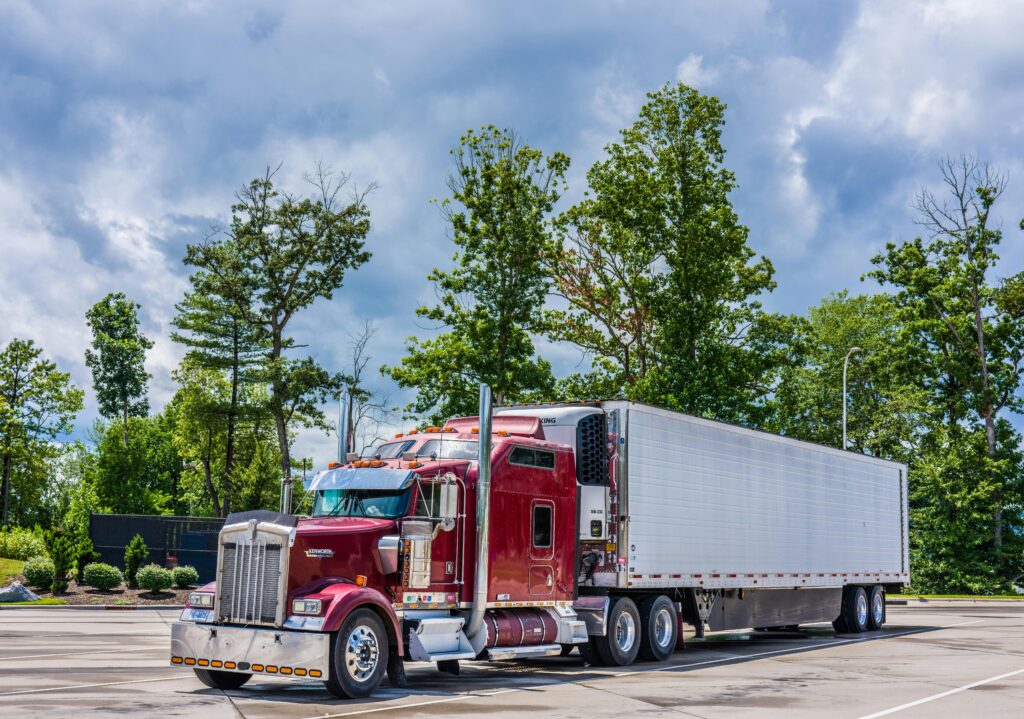
Introduction: Not All Reefer LTL Carriers Operate the Same Choosing a reefer LTL carrier is not the same as choosing a standard LTL provider. On the surface, many carriers offer refrigerated services. In practice, the level of control, consistency, and execution can vary significantly. For temperature-sensitive freight, those differences directly impact whether a shipment arrives […]
How Long Can Frozen Freight Sit on a Dock? (And When It Becomes Unsafe)
Introduction: Time Is the Biggest Risk for Frozen Freight Frozen freight does not fail instantly. It fails gradually. The biggest misconception in temperature-controlled shipping is that short exposure does not matter. In reality, time outside controlled conditions is one of the biggest risks to frozen freight, especially in LTL environments where handling and transfers are […]
How Is Temperature Monitored in Reefer LTL? (Continuous vs Start-Stop Explained)

Introduction: Temperature Control Isn’t Just Setting a Number In reefer LTL shipping, many assume that setting the correct temperature is enough to protect the freight. It isn’t. Temperature control is not just about choosing a setpoint. It is about how that temperature is maintained, monitored, and adjusted throughout the entire shipment. Without proper monitoring, even […]
Who Is Responsible for Temperature Failures in Reefer LTL? (And How Claims Actually Work)

Introduction: When Something Goes Wrong, Responsibility Matters When a reefer LTL shipment fails due to a temperature issue, the first question is always the same. Who is responsible? In many cases, the answer is not straightforward. Shippers assume the carrier is at fault. Carriers point to how the freight was prepared. Without clear documentation, it […]